February 5, 2026
Trees add beauty, shade, and value to your property, but they can also pose serious risks when health issues go unnoticed. Knowing when a tree requires professional attention is essential for protecting your landscape, your home, and the people around it. From disease and pest infestations to structural weaknesses, trees often display warning signs before problems become severe. This article outlines the most common indicators that a tree may be in distress and explains why timely, expert care is critical to maintaining a safe and healthy outdoor environment.
Recognize Early Signs of Tree Disease
Identifying tree diseases early is crucial to preventing their spread and ensuring the health and safety of your environment. Trees, like people, can exhibit certain symptoms when they are unhealthy or under attack. Look for wilting leaves, unusual spots, or the premature shedding of foliage, as these can be signs that your tree is diseased. According to the Arbor Day Foundation, just one large tree can provide up to 24 hours of oxygen for four people, meaning maintaining tree health is also vital for human well-being.
Another sign to watch for is the presence of discoloration or damage to the trunk area, which can indicate the presence of fungi or bacteria. These microorganisms can damage the tree's vascular system, leading to a gradual decline. If left unaddressed, such conditions can cause branch failure or even the death of the tree. Regular inspections and prompt treatment are essential parts of tree maintenance.
Detect and Address Fungal Infections Promptly
Fungal infections are among the most common diseases affecting trees, with various species causing serious health issues. These infections often manifest as irregular growths or discoloration on leaves or bark, driving critical damage internally if not treated. Common fungal infections, like powdery mildew or canker diseases, can drastically affect a tree's vitality and structural integrity. Effective tree maintenance includes recognizing such signs early and implementing appropriate control measures.
The repercussions of ignoring fungal infections can extend beyond the health of the tree itself. Infected trees can become hazardous, with weakened branches prone to breaking, potentially causing injuries or property damage. Furthermore, fungi can spread to surrounding foliage, jeopardizing an entire grove or landscape. It is crucial to understand that timely intervention is not only about saving one tree but also about protecting an entire ecosystem.
Identify Pest Infestations Before Damage Spreads
Insects and other pests pose considerable threats to tree health, often leading to catastrophic damage if left unchecked. Infestations manifest in various ways, from the obvious appearance of harmful insects to more subtle signs like holes in the bark or a noticeable decline in leaf quality. Common pests include borers, aphids, and spider mites, each affecting trees in unique ways. Effective tree maintenance strategies often begin with a diligent check for such pests.
The damage caused by pests is dual-fold: direct harm from feeding and indirect harm from disease processes initiated by their presence. Insects like the emerald ash borer destroy key tree tissues, impeding nutrient flow, while others might precipitate secondary infections by opening wounds susceptible to fungal or bacterial invasion. Spotting and deterring these early is crucial to preventing larger infestations and subsequent tree decay.
Evaluate Leaf Changes That Signal Health Issues
Leaves offer valuable indicators of a tree's health, providing clues that range from color variations to texture changes. Unusual leaf patterns are often indicative of environmental stressors or disease, manifesting in yellowing, blotching, or curling. These symptoms can stem from nutrient deficiencies, water imbalances, or exposure to pollutants. Observing foliage health is an integral aspect of routine tree maintenance.
Diagnosing the underlying cause of leaf abnormalities often requires professional input. Arborists can perform tests to determine whether issues result from soil quality, irrigation patterns, or chemical exposure. Such assessments allow for precise interventions, ensuring your tree receives the nutrients and care it needs to return to optimal health. Addressing these issues promptly helps to prevent decline and encourage robust growth.
Monitor Abnormal Growth and Structural Deformities
A tree exhibiting unusual growth patterns may signal a need for professional attention. These abnormal behaviors can include sudden spurts of growth, an absence of expected growth, or strange formations such as burls or galls. Each of these symptoms could potentially signify underlying problems like root disturbance, improper pruning, or even genetic anomalies. Monitoring and identifying these changes is pivotal to efficient tree maintenance.
Deformities such as burls—large, swirling growths typically found on trunks or branches—can occasionally be harmless but might also suggest a response to stress or disease. Over time, burls can weaken a tree, compromising its structural integrity. Regular inspections by tree care experts can determine whether such growths require action or if they're benign and best left alone.
Inspect Trunks for Cracks and Structural Weakness
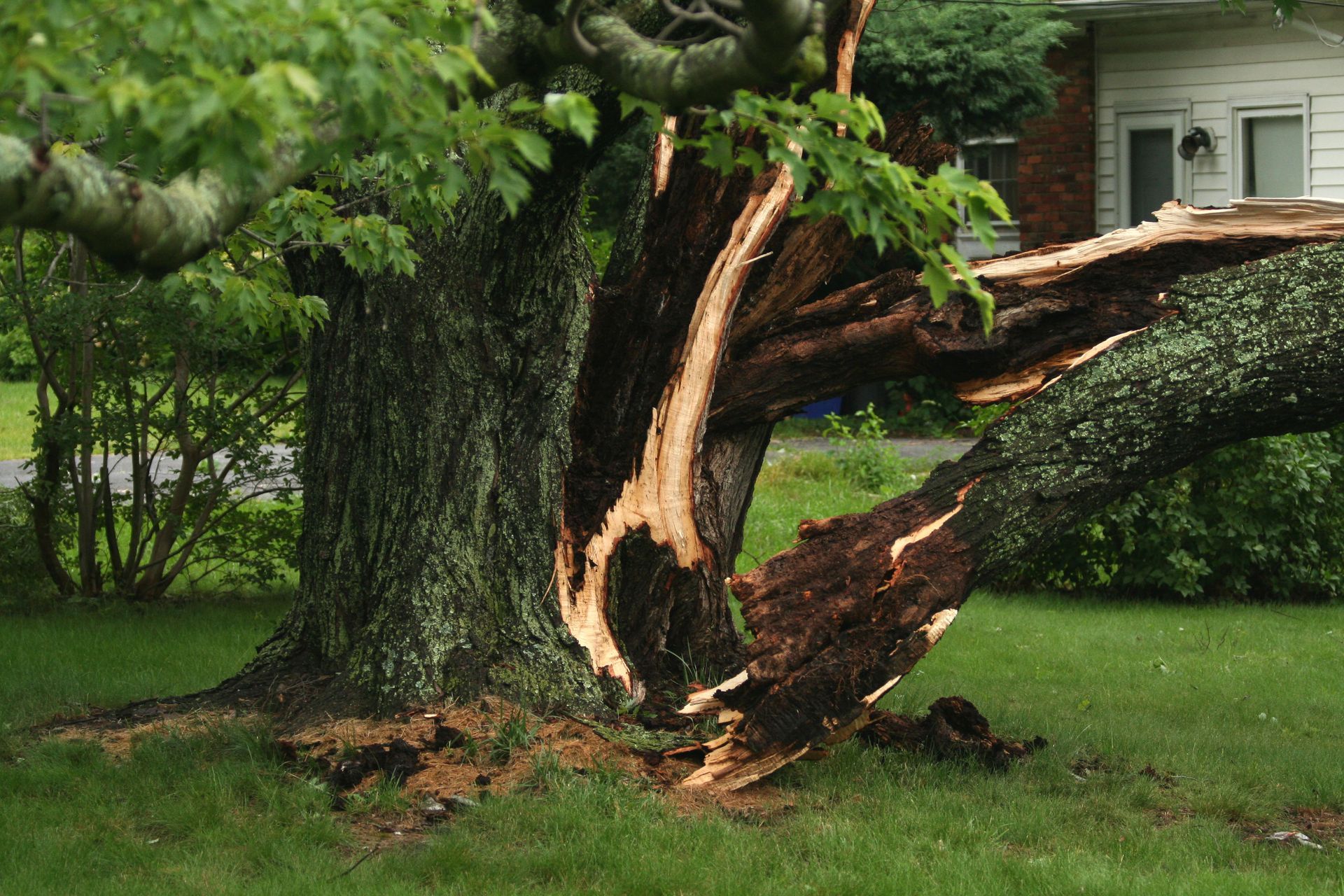
The presence of cracks and splits in a tree's trunk can be a strong indicator of structural damage. These fractures, often formed due to environmental pressure or internal weak points, jeopardize the tree's stability. Sometimes caused by extreme weather conditions, cracking can indicate that a tree has reached its stress threshold. Observing this kind of damage requires timely and thorough tree maintenance to mitigate potential hazards.
Trunk integrity is fundamental to overall tree health, as damage in this area can directly affect nutrient absorption and internal support. Cracks can also provide entry points for pests and disease, exacerbating the existing problem. Regular professional inspections can identify these weaknesses early, allowing for corrective measures such as cabling, bracing, or strategic pruning.
Assess Weak Branch Unions and Codominant Stems
Weak union points between branches and the tree trunk can become sites of significant structural failure. Known as codominant stems, these formations arise when two or more main branches grow too closely together, making them susceptible to splitting. Recognizing and addressing these signs is an essential part of tree maintenance.
The risk factor increases with branches that demonstrate acute angles with the trunk, as these angles are less able to support substantial growth pressure. Heavy winds, rain, or snow can exacerbate existing weaknesses, leading to branch drop or trunk separation. Timely professional inspection with subsequent intervention is advisable to mitigate such risks inherently present in weak unions.
Examine Root Damage That Threatens Stability
Roots play a crucial role in providing trees with stability and nourishment. Damage to this vital system often manifests in slow, subtle ways, indicating serious long-term issues. Construction work, soil compaction, or inappropriate landscaping practices can severely injure root systems, destabilizing even a large tree's foundation. Ongoing tree maintenance must include attention to root health to preserve and prolong a tree’s life.
Unseen damage, such as root tears or decay, can lead to noticeable symptoms, including unexpected canopy thinning or dieback. The tree’s roots might also become susceptible to infections that further weaken the tree. Because root issues are often subterranean and complex, an arborist’s expertise is invaluable in diagnosing and correcting these problems.
Uncover Hidden Internal Decay Before Failure Occurs
Internal decay signifies some of the most perilous conditions a tree can face, often invisible until catastrophic failure occurs. This decay usually starts with fungal infection penetrating through broken bark or wounds, leading to gradual hollowing out. The presence of mushrooms or spores at the base can be an external sign of this internal decay. Detecting and managing such threats is integral to comprehensive tree maintenance.
Internal decay compromises the structural integrity of the tree and increases the likelihood of collapse under stress. This poses significant safety risks to people and property in the vicinity. Conducting regular arboricultural assessments allows the detection of decay before it leads to disaster, using techniques like sounding tests or evaluations.
Recognizing the warning signs of tree distress is key to preventing safety hazards and preserving the long-term health of your landscape. Issues such as disease, decay, pest infestations, and structural weakness can escalate quickly if left unaddressed. By staying alert to changes in your trees and seeking professional assistance when needed, you can avoid costly damage and promote sustainable growth. Reach out to Olbin Tree Services to learn more about our services today!