May 29, 2026
Understanding the importance of seasonal tree care and its impact on the health and longevity of trees is crucial. This article provides a comprehensive checklist for maintaining trees throughout the year 2026. Trees play a vital role in our ecosystem, providing oxygen, improving air quality, and supporting wildlife. Proper care ensures that trees remain healthy, vibrant, and resilient against environmental challenges. As we embark on this journey through the seasonal needs of trees, it is essential to equip ourselves with knowledge and tools that promote sustainable and effective tree care practices.
1. Inspecting Tree Health
Spring is a critical time to inspect trees for any signs of damage that may have occurred during the winter months. Look for broken branches, signs of disease, or pest infestations that could impede growth. Conducting a thorough inspection helps identify issues early, allowing for timely intervention. Healthy trees typically exhibit vibrant foliage and robust growth, while unhealthy trees may show signs of stress such as wilting leaves or discolored bark. Regular inspections are the first step in maintaining tree health and ensuring they thrive throughout the year.
Inspecting tree health involves examining both the physical and biological aspects of the tree. Check for any structural issues, such as cracks or weak limbs, which could pose safety hazards. Additionally, monitor the tree's foliage for unusual patterns or discoloration that may indicate nutrient deficiencies or disease. By addressing these issues promptly, tree owners can prevent further damage and promote healthy growth. Regular inspections not only protect the trees but also enhance the safety and aesthetics of the surrounding environment.
During inspection, it is essential to consider the tree's environment and any factors that may affect its health. Assess the soil conditions, ensuring that it provides adequate nutrients and drainage for the tree's roots. Consider any changes in the surrounding landscape, such as new construction or alterations in water flow, that could impact the tree's growth. By understanding these factors, tree owners can make informed decisions about necessary interventions. A proactive approach to tree care in spring sets the foundation for a healthy and thriving tree throughout the year.
2. Pruning Techniques
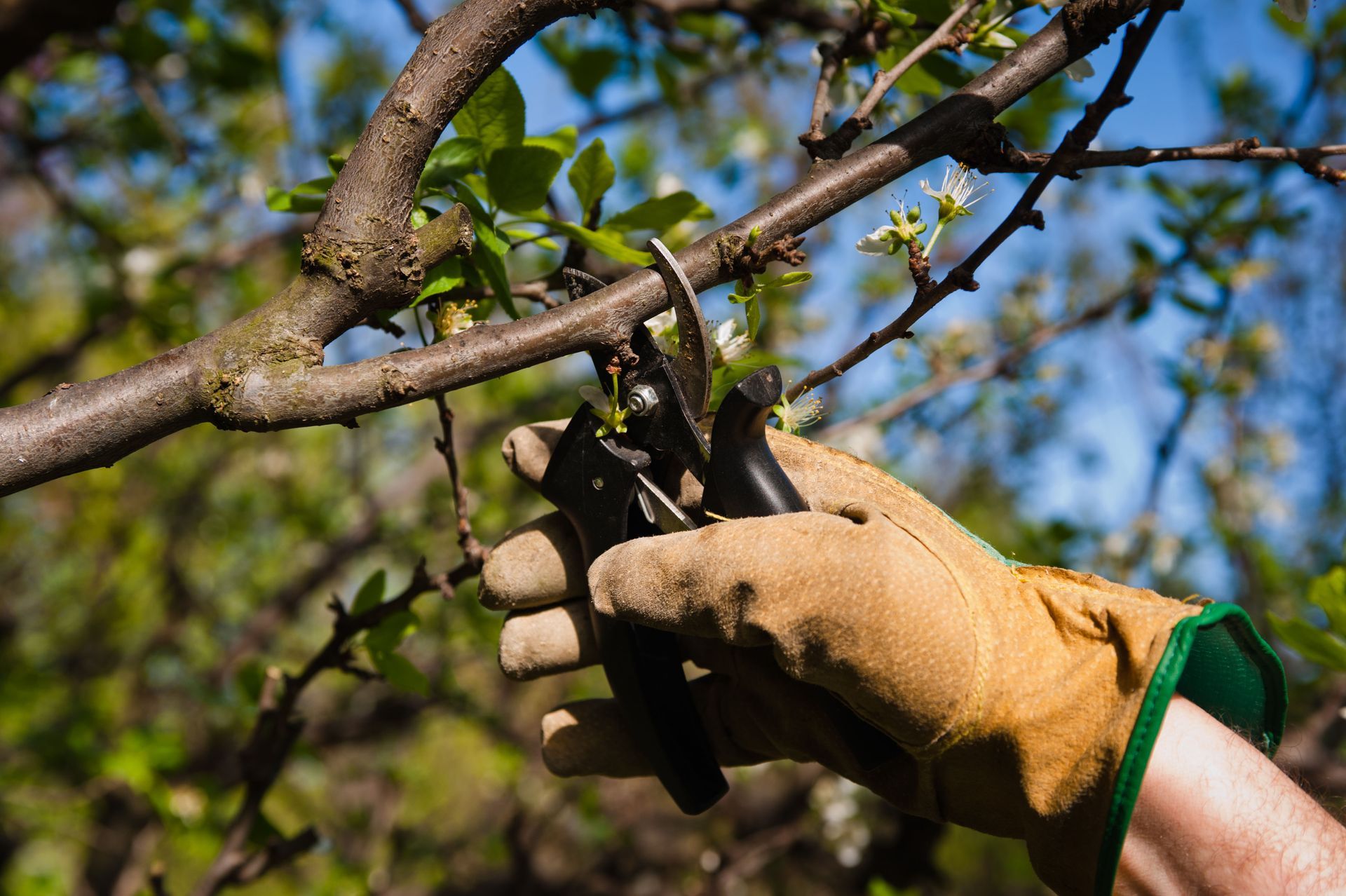
Pruning is a vital component of tree care, especially in spring when new growth begins. Proper pruning techniques help shape the tree, remove dead or diseased branches, and promote healthy growth. It is essential to use the right tools and techniques to avoid damaging the tree. Pruning should focus on enhancing the tree's natural form and ensuring balanced growth. By removing excess branches, tree owners can improve air circulation and sunlight penetration, which are crucial for the tree's overall health.
Understanding the tree's specific needs and growth patterns is essential for effective pruning. Different tree species require different pruning approaches, and it's important to research and apply the appropriate methods. Over-pruning can stress the tree and make it vulnerable to pests and diseases, while under-pruning may result in a dense canopy that hinders growth. Striking the right balance is key to maintaining the tree's structural integrity and vitality. By following best practices, tree owners can ensure their trees remain healthy and attractive throughout the season.
Pruning also plays a role in enhancing the safety and aesthetics of the landscape. By removing dead or weak branches, tree owners can prevent potential hazards and maintain a tidy appearance. Additionally, strategic pruning can improve the tree's shape, making it more visually appealing and harmonious with the surrounding environment. Regular pruning not only benefits the tree but also contributes to the overall beauty and safety of the outdoor space. As spring brings new growth, proper pruning sets the stage for a healthy and vibrant tree.
3. Fertilization Practices
Fertilization is an essential practice in spring to provide trees with the nutrients they need for healthy growth. Applying the right type and amount of fertilizer can significantly enhance the tree's vitality and resistance to stress. It is important to conduct a soil test to determine the specific nutrient requirements of the tree. Based on the test results, tree owners can select a suitable fertilizer that addresses any deficiencies. Fertilization should be done carefully to avoid over-application, which can harm the tree and the surrounding environment.
In addition to providing essential nutrients, fertilization also supports the tree's root development and overall structure. A well-fertilized tree is better equipped to withstand environmental challenges such as drought, pests, and diseases. It is important to apply fertilizer at the right time, typically in early spring when the tree begins to show signs of new growth. By providing the necessary nutrients, tree owners can promote vigorous growth and enhance the tree's ability to thrive throughout the season. Proper fertilization practices contribute to the long-term health and sustainability of trees.
Organic fertilizers are an excellent choice for promoting sustainable tree care practices. They release nutrients slowly, reducing the risk of nutrient runoff and environmental pollution. Organic options also improve soil health by enhancing microbial activity and increasing organic matter content. By choosing organic fertilizers, tree owners can support the tree's growth while minimizing their environmental impact. As we move towards more sustainable practices, organic fertilization is a valuable tool in maintaining healthy and resilient trees.
4. Pest and Disease Monitoring
Monitoring for pests and diseases is a critical aspect of tree care, particularly in spring when new growth can attract various threats. Early detection allows for timely intervention, preventing potential damage to the tree. Regular inspections should focus on identifying common signs of pest infestations, such as holes in leaves, discoloration, or unusual patterns. Additionally, tree owners should be aware of common diseases that may affect their specific tree species. By staying vigilant, tree owners can promptly address any issues and protect their trees from harm.
Effective pest and disease management involves a combination of preventive measures and targeted interventions. Implementing integrated pest management (IPM) strategies can help minimize the use of chemical pesticides while effectively controlling pests. IPM focuses on using a variety of methods, including biological control, cultural practices, and mechanical interventions. By adopting IPM, tree owners can maintain healthy trees while minimizing their impact on the environment. Regular monitoring is the foundation of successful pest and disease management in tree care.
According to NIPgroup.com, less than a year before 2024, the USDA’s Forest Service announced the allocation of over $1 billion in grants to plant and maintain trees. This initiative highlights the importance of investing in tree care and maintenance to support healthy and resilient urban forests. By prioritizing pest and disease monitoring, tree owners can contribute to the overall health and sustainability of our tree populations. As we continue to face environmental challenges, proactive tree care is essential in preserving the benefits that trees provide to our communities.
5. Mulching and Soil Amendment
Mulching is a beneficial practice in spring that helps retain soil moisture, suppress weeds, and regulate soil temperature. Applying a layer of mulch around the base of the tree can significantly improve its health and growth. It is important to use organic mulch materials, such as wood chips or bark, to enhance soil fertility and structure. Mulching also reduces competition with grass and other plants, allowing the tree to access essential nutrients and water. By creating a favorable growing environment, mulching contributes to the tree's overall health and resilience.
Soil amendment is another crucial aspect of tree care, particularly in areas with poor soil quality. Improving soil structure and fertility can enhance root development and nutrient uptake. Soil amendments, such as compost or well-rotted manure, can be incorporated into the soil to provide essential nutrients and improve drainage. It is important to assess the soil's specific needs and choose the appropriate amendments accordingly. By investing in soil health, tree owners can support the tree's growth and ensure it remains healthy and vibrant throughout the season. Be sure to reach out to Olbin Tree Services to learn more about our professional tree care service!