March 28, 2026
Tree removal is a major decision that requires careful planning and evaluation. Homeowners often consider removal due to safety concerns, property changes, or declining tree health, but it is important to understand both the benefits and drawbacks before moving forward. Trees contribute to environmental health, property value, and overall comfort, making proper tree maintenance a critical part of long-term planning. Regular attention ensures trees remain strong, safe, and aesthetically valuable, while also reducing the likelihood of sudden emergencies. Taking the time to assess all factors ensures your decision supports both your property goals and the surrounding environment, which leads directly into the key considerations outlined below. Understanding these considerations can also help you prioritize actions that preserve tree health while planning for future landscape goals.
Assess Tree Health and Stability
Understanding the condition of your tree is one of the most important steps before deciding on removal. In many cases, consistent tree upkeep can address issues early and extend the life of a tree. Signs such as discolored leaves, peeling bark, or unusual growth patterns may indicate disease, while visible cracks, leaning trunks, or weak limbs can signal structural concerns. Insect activity, including holes in the bark or sawdust-like residue, may also point to infestations that weaken the tree over time. Age is another factor, as older trees may naturally decline and become more susceptible to damage. A professional evaluation helps determine whether care, pruning, or removal is the most appropriate solution based on safety and long-term stability.
Regular tree maintenance also involves monitoring environmental stresses like drought, flooding, or extreme temperatures. These factors can exacerbate existing weaknesses and accelerate deterioration, making early interventions vital. By scheduling periodic inspections and targeted pruning, you can often preserve the tree’s health and structural integrity, avoiding unnecessary removal and protecting your property. Properly maintained trees also recover more effectively after storms or high winds, reducing emergency removal situations.
Evaluate Environmental Impact
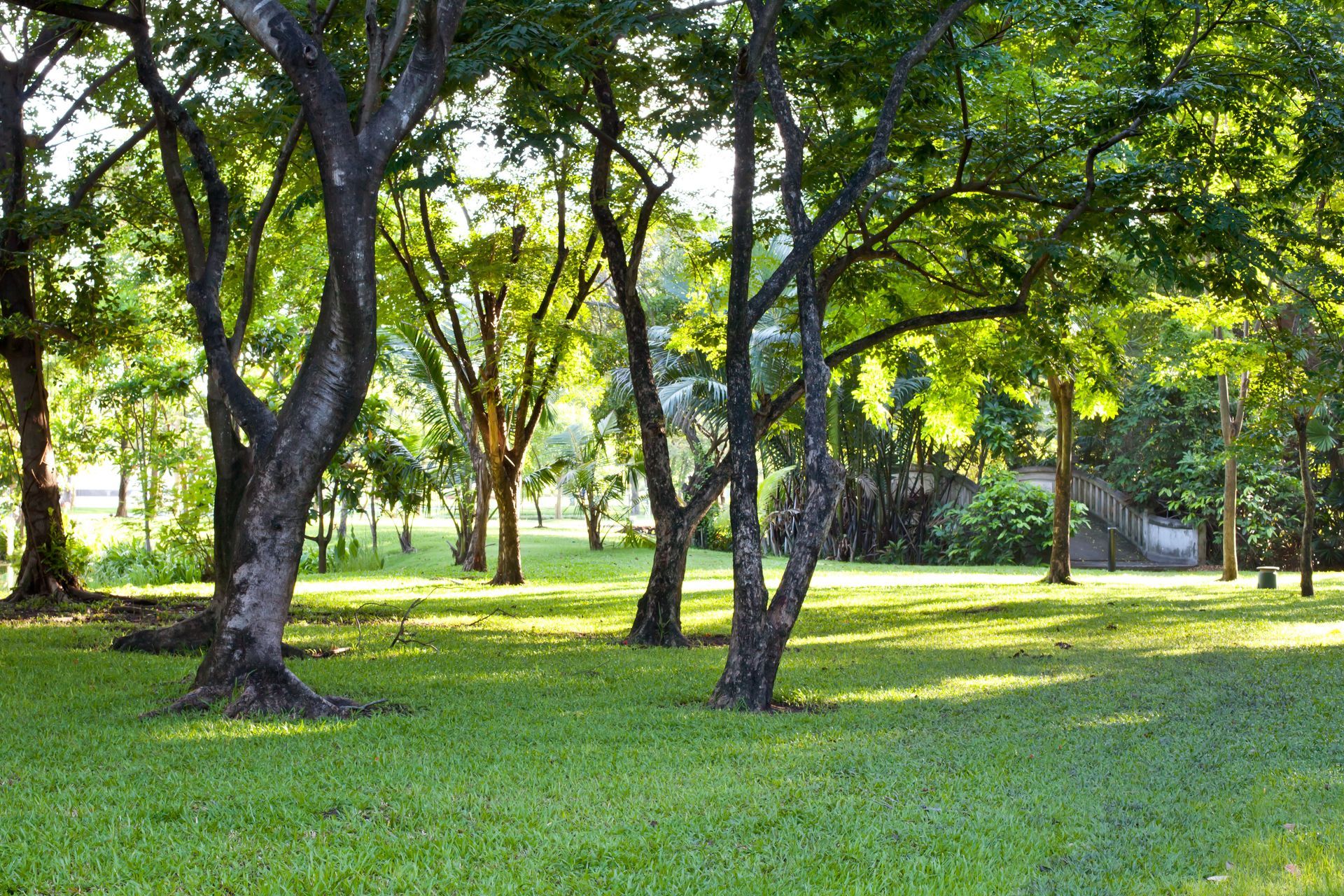
Removing a tree can significantly affect the surrounding environment, which is why thoughtful tree upkeep should always be considered first. Trees provide habitat for wildlife, contribute to cleaner air, and help regulate local temperatures. They also play a role in energy efficiency. According to the Arbor Day Foundation, strategically placed trees can reduce air conditioning costs by as much as 30%, making them a valuable asset for homeowners.
Trees help prevent soil erosion, manage water flow, and stabilize slopes, reducing long-term landscaping issues. Removing a tree without planning for these consequences can lead to increased maintenance costs, flooding risks, and compromised ecosystem balance. Maintaining healthy trees through routine care protects these benefits, while also supporting biodiversity in your yard. Tree maintenance, such as pruning, fertilization, and pest control ensures these environmental advantages are maximized for years to come. Additionally, considering the placement of new trees or vegetation after removal can help offset environmental losses and maintain shade coverage.
Understand Local Laws and Community Rules
Before moving forward with removal, it is important to review any local regulations or community guidelines related to tree upkeep. Many municipalities require permits, especially for larger or protected trees, and failure to comply can result in fines or delays. Homeowner associations may also have specific requirements regarding tree care, appearance, and removal approvals.
Understanding the impact of tree removal on your neighborhood is also important. Trees contribute to the overall aesthetic of a street or block, and sudden removal can change the character of your community. Engaging neighbors in discussions about large tree removals, while following HOA rules, helps maintain harmony and ensures that decisions reflect both personal and shared interests. Maintaining healthy trees through ongoing tree maintenance can often prevent conflicts with neighbors or HOA boards by avoiding unsafe conditions or unsightly growth.
Analyze Costs and Property Value
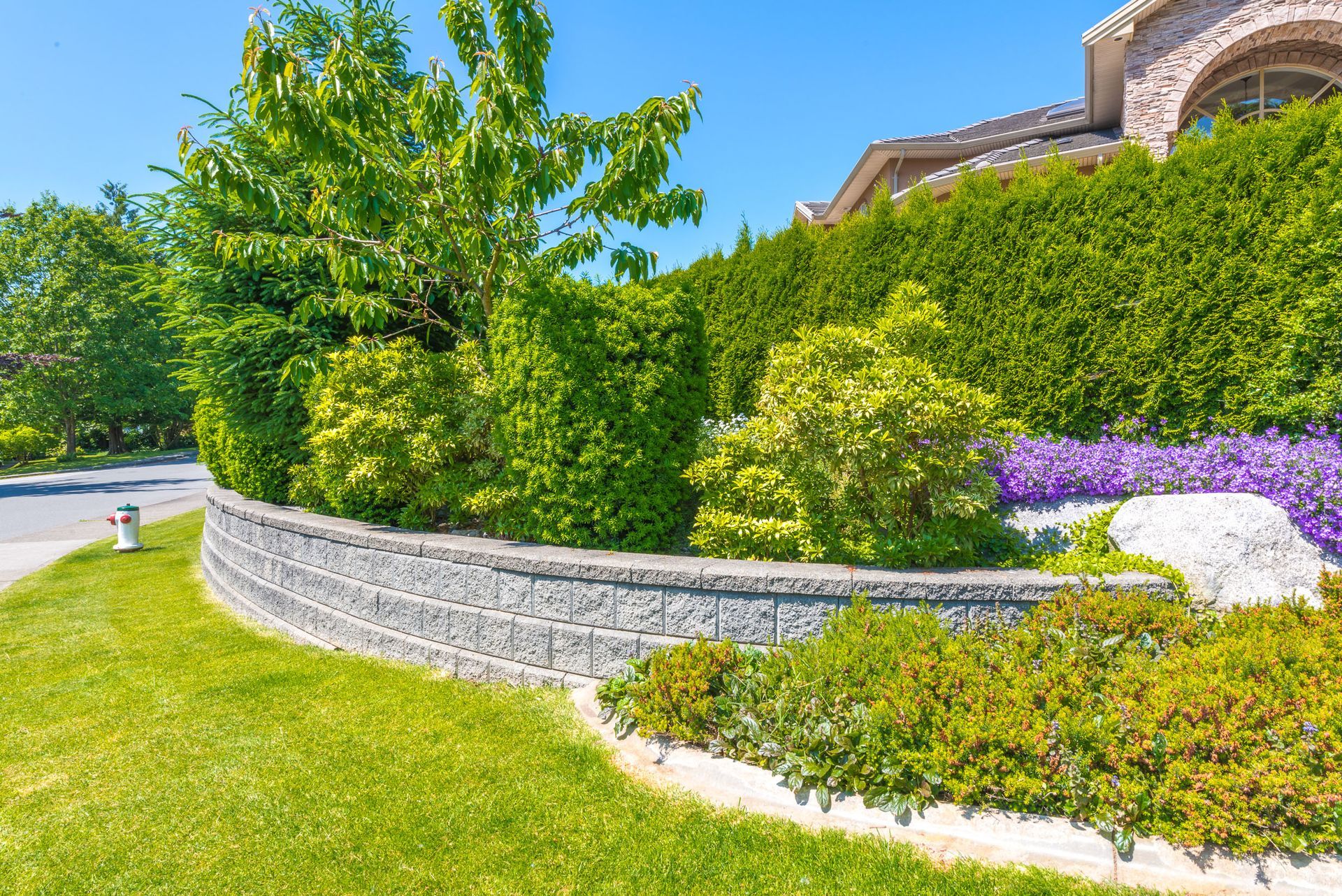
The financial aspect of tree removal goes beyond the initial service. Costs can vary depending on the size, location, and condition of the tree, as well as additional services like stump removal or debris cleanup. At the same time, maintaining a healthy tree through regular tree upkeep can support property value by improving curb appeal and providing natural shade.
Tree removal may open space for new landscaping projects, but it can also reduce privacy, increase energy costs, and diminish aesthetic appeal. Budgeting for ongoing tree maintenance can often be more cost-effective than full removal, especially if interventions such as pruning, bracing, or treatment extend the life of a tree while reducing hazards. Comparing estimates and evaluating long-term expenses ensures your decision aligns with both financial and property goals. Properly maintained trees can also be marketed as a feature in real estate listings, adding tangible value for potential buyers.
Consider Safety and Accessibility
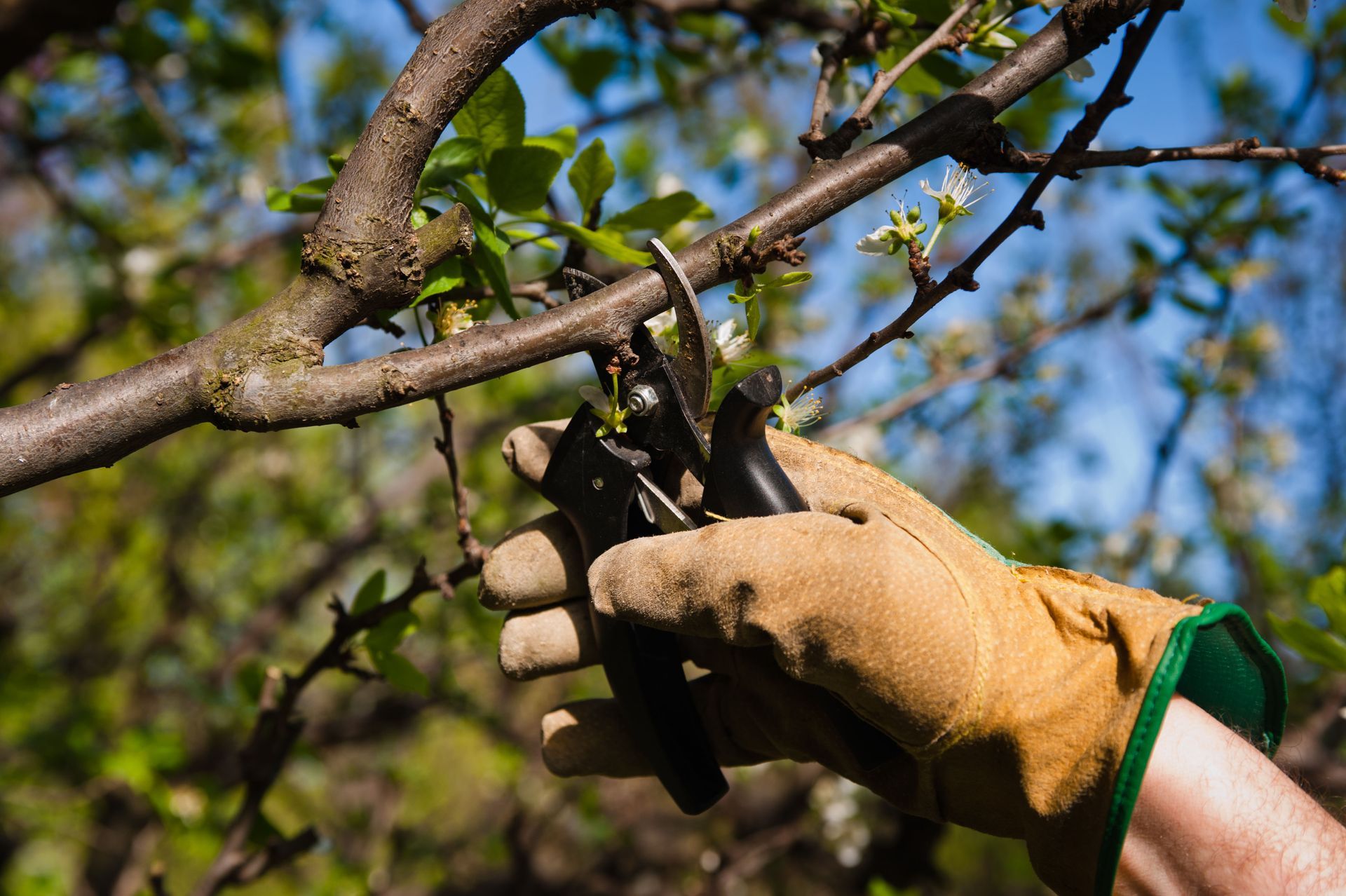
Safety is often a primary reason homeowners consider removal, especially when trees are located near structures, driveways, or utility lines. Overgrown branches or unstable trunks can pose risks to both people and property if left unaddressed. In many cases, proactive tree maintenance such as trimming and pruning can reduce these hazards while preserving the tree.
Assessing accessibility is also important for emergency response, as trees should not block driveways, sidewalks, or fire lanes. Regular inspections for weak branches or rot help prevent accidents, and professional maintenance ensures these risks are managed effectively. By prioritizing safety through proper tree upkeep, homeowners can often preserve valuable trees while reducing liability and potential damage. Routine pruning not only improves safety but also enhances airflow and sunlight penetration, benefiting the overall health of the tree.
Align With Landscape and Personal Goals
Your long-term vision for your outdoor space plays a major role in deciding whether to remove a tree. Trees can enhance privacy, reduce noise, and add character to your landscape, but they may also limit space for new features like patios or gardens. Tree maintenance allows you to shape growth and maintain balance within your design.
Seasonal behaviors such as flowering, leaf shedding, and shade coverage impact the appearance and functionality of your yard. Emotional attachment to specific trees, along with cultural or symbolic significance, can also influence decisions. Taking these personal factors into account ensures your landscape reflects both your practical needs and your aesthetic vision over time. Additionally, integrating long-term care plans into your landscaping decisions ensures your property remains attractive and functional across multiple seasons.
Plan for Long-Term Care or Removal
Every tree requires ongoing care, and planning ahead is essential, whether you choose to keep or remove it. Continued tree maintenance includes inspections, pruning, and monitoring for disease or damage, all of which contribute to a safer and more attractive property.
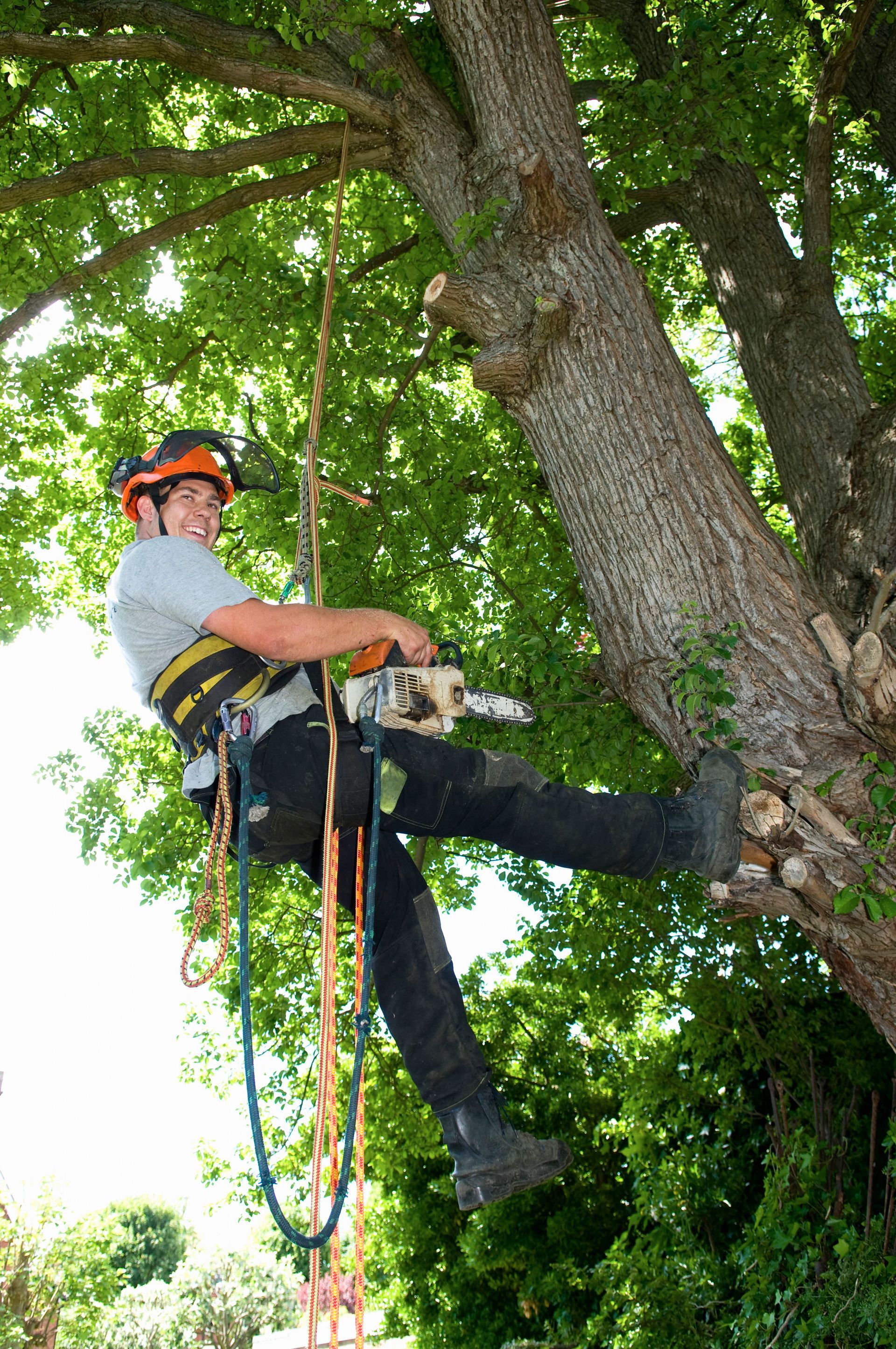
If removal is necessary, working with professionals ensures the process is safe, efficient, and compliant with local regulations. Proper tree upkeep leading up to removal can minimize risks, simplify the process, and preserve the surrounding environment. Long-term planning allows you to make strategic decisions that support both safety and property value, while maintaining ecological benefits whenever possible. Scheduling regular care also reduces emergency removals, saving time, money, and stress for homeowners.
Deciding whether to remove a tree involves more than a single factor. From health and safety to environmental impact and cost, each element plays a role in making the right choice for your property. Prioritizing proper tree maintenance can often extend the life of your trees and reduce the need for removal, while also preserving the many benefits they provide.
At Olbin Tree Services, we manage everything from trimming and pruning to tree removal, stump grinding, and emergency storm work. We help homeowners make informed decisions with confidence, ensuring safety, aesthetics, and long-term value. Contact us today to schedule a consultation and see how our team can support your property with comprehensive tree care and maintenance.